
Weed in Woodlands: What You Need to Know
Introduction
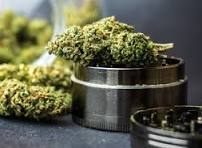
Located at the northern end of Singapore, bordering Malaysia, Woodlands is a key residential, commercial and transit area. Given its status as a major checkpoint zone (via the Woodlands Checkpoint) and dense community living, it holds a unique place in Singapore’s overall drug-control landscape. This article examines how cannabis (commonly called “weed”) fits into that landscape—covering the legal status in Singapore, specific patterns and enforcement in Woodlands, health and social implications, and what local residents or visitors ought to know.
Legal Status of Cannabis in Singapore
National Law
In Singapore, cannabis is strictly controlled:
- It is listed as a Class A controlled drug under the First Schedule of the Misuse of Drugs Act 1973 (MDA). (cnb.gov.sg)
- The consumption, possession, trafficking, importation or exportation of cannabis or its derivatives is an offence. (cnb.gov.sg)
- For Singapore citizens and permanent residents, consumption of controlled drugs outside Singapore also remains an offence under the MDA. (cnb.gov.sg)
Penalties
The penalties depend heavily on the quantity and nature of the offence:
- Possession or consumption of cannabis: up to 10 years’ imprisonment, a fine up to S$20,000, or both. (cnb.gov.sg)
- As of amendments effective recently, larger quantities attract longer imprisonment and caning. For example, possession above certain thresholds can lead to 20-30 years imprisonment plus up to 15 strokes of the cane. (CNA)
- Importation or trafficking of more than 500 g of cannabis may attract the mandatory death penalty. (LegalClarity)
Implications for Woodlands
Because Woodlands lies at a border transit region and is part of Singapore’s national law jurisdiction, the strict national laws apply fully. That means residents, visitors, commuters and transiting individuals in Woodlands must be aware that cannabis-related offences are treated severely.
Enforcement & Community Context in Woodlands
Checkpoint & Border Role
Woodlands’ strategic position near Malaysia gives its checkpoint a significant role in drug interdiction. For instance:
- On 23 June 2025, at Woodlands Checkpoint, an attempt to smuggle about 1,057 g of cannabis and 973 g of “Ice” was intercepted via a motorcycle. (Malay Mail)
- On 14 January 2025, a Malaysia-registered motorcycle arriving at Woodlands was found carrying approximately 4,648 g of cannabis, among other drugs. (The Online Citizen)
- On 22 October 2025, a lodging near Woodlands Avenue 1 led to the seizure of 68 g of cannabis and other substances during a raid. (Mothership)
These examples show the active enforcement zone around Woodlands, especially at transit borders and in worker lodging zones.
Local Housing & Community Enforcement
In Woodlands, there are large HDB estates, neighbourhood clusters, migrant-worker accommodations, and mixed residential/commercial zones. Key implications:
- Shared living spaces mean drug use or storage poses heightened risk of detection, neighbour complaints or law enforcement intervention.
- Migrant-worker lodging near Woodlands Avenue 1 has been targeted in recent operations. (Mothership)
- Community vigilance and outreach programmes matter: local grassroots organisations, town councils and enforcement agencies engage in drug-prevention work.
Why This Enforcement Matters
- The presence of the checkpoint means smuggling attempts, big haul seizures and cross-border risk are higher in the Woodlands region than somewhere purely residential.
- For everyday residents: illicit drug presence (including cannabis) can affect safety, reputation of the estate, property values, neighbourhood peace, and youth exposure.
- The strong enforcement underscores that there is no safe grey zone for cannabis in Singapore.
Health, Social & Psychological Dimensions
Health Risks of Cannabis Use
Although global debates over cannabis’ legalisation and medical potential continue, in Singapore the official position emphasises risks. According to the Central Narcotics Bureau (CNB):
- Cannabis is linked to short-term impairment of memory, coordination, judgment. (cnb.gov.sg)
- Long-term cannabis use can contribute to mental health problems, dependence, and impaired academic or work outcomes. (cnb.gov.sg)
- The notion that cannabis is a “soft” drug is rejected by CNB in its FAQ. (cnb.gov.sg)
Social & Community Impact in Woodlands
- Young people in Woodlands may face peer pressures, especially with proximity to transit areas, foreign-worker lodges and mixed-demographic populations.
- A drug offence can affect the individual’s employment, social standing, family, and recreation of public confidence in housing estates.
- Residents might worry about second-hand exposure or children accidentally encountering drug paraphernalia, particularly in high-traffic zones like near the checkpoint or shared communal spaces.
Misperceptions & Youth Vulnerability
In Singapore, many youths may underestimate the severity of cannabis due to global shifts elsewhere. However:
- CNB data suggests younger offenders are increasingly involved. Although specific Woodlands youth-data isn’t publicly broken down in the article, nationwide toxic trends signal caution.
- For example, a Reddit discussion flagged that “consuming cannabis outside S’pore is a crime, CNB reminds S’poreans”. (Reddit)
- For Woodlands residents, especially families, schools and youth clubs, awareness-raising is vital.
The “Medical” and “Recreational” Cannabis Question
Recreational Use
Recreational cannabis remains illegal without any exceptions in Singapore. Any attempt at use, possession or distribution is a criminal offence. (LegalClarity)
Medical Cannabis & CBD
Singapore does not currently allow broad medical cannabis programs. Medical use and cannabidiol (CBD) derivatives are tightly controlled or not permitted generically. (Wikipedia)
What this means for Woodlands residents and visitors:
- Travelling abroad to places where cannabis is legal and returning is not a safe strategy — Singapore’s extraterritorial consumption rule still applies. (cnb.gov.sg)
- Any product claiming to contain “hemp” or “CBD” must be viewed with caution: possession could still trigger legal consequences if it contains controlled substances.
Why Singapore Maintains a Strict Approach & What That Means Locally
Policy Rationale
- Singapore frames its drug-policy around protecting public health, societal stability and deterring drug-related crime. (cnb.gov.sg)
- Its geography (small city-state, high population density, major transit hub) means drug problems may escalate more easily and impact the community significantly.
- The harsh penalties (including caging, caning, death in some cases) are part of a deterrence mindset.
Localised Implications for Woodlands
- Because Woodlands is at a transit frontier, border control and immigration checks are heightened. This means any involvement with cannabis at/near the Woodlands Checkpoint has a higher detection risk.
- Community and residential life in Woodlands: The strict law means that residents cannot assume “it won’t happen here”. The consequences are significant not just for the offender but also for their families, neighbours and estate reputation.
- Visitors, foreign workers, drivers passing through Woodlands must be especially aware of the risks given the cross-border context.
Residents’ Guide – What Woodlands Residents & Visitors Should Know
Key Rules to Remember
- Do not possess, use or distribute cannabis — full stop. The law applies equally in Woodlands.
- Be aware of extraterritoriality: Singapore citizens and permanent residents may be prosecuted for consumption abroad. (LegalClarity)
- Know the severe penalties: Even small amounts can lead to criminal charges; large amounts can trigger caning or the death penalty.
- Do not assume “safe zones”: Living in Woodlands does not exempt you from patrols, community reports, or checkpoint checks.
- Watch for visitors & lodging arrangements: If friends, neighbours or lodging occupants are involved in drug activities, you may be inadvertently exposed to risk of investigation.
- Stay informed: Use official sources of information like the CNB website or MHA updates.
Practical Tips for Woodlands Residents
- If you travel through Malaysia or use the checkpoint often (e.g., via Woodlands Checkpoint), ensure you carry no controlled substances and understand your legal obligations.
- For families with young people: have frank discussions about drugs — even though cannabis might seem “less dangerous” globally, locally it remains illegal and subject to harsh penalties.
- For landlords or housing estate managers: stay vigilant about arrivals, lodging usage, shared spaces; early intervention and community engagement may help prevent illicit use.
- If you suspect drug activity in your estate: consider contacting grassroots organisations or authorities rather than confronting suspects directly. Safety first.
- Be cautious of “novel” drug products: cannabis‐infused edibles, gummies, CBD oils may carry hidden risks or be outright illegal.
Community Impact & Societal Trends in Woodlands
Housing & Neighbourhood Environment
In Woodlands, many residents live in HDB flats, neighbourhood precincts, and share communal facilities. A drug-related incident, even if not involving you personally, can affect the micro-community:
- Neighbour safety perceptions may fall.
- Property or rental value may be impacted if an estate gets a reputation for drug incidents.
- Community cohesion can be challenged if trust breaks down (for instance if there are visitors using units for illicit purposes).
Youth & Migrant Worker Dimensions
- Woodlands has presence of foreign worker lodgings and dormitories; recent operations have targeted such lodgings for cannabis seizures and broader drug raids. (Mothership)
- Youths (local and foreign) may be exposed to transit-zone identities, curiosity about “what happens at border zones”, peer groups across nationalities. Prevention and education programmes need to take that into account.
- Schools, community clubs and migrant-worker support systems in Woodlands can play a role in awareness and prevention.
Cultural & Transit Implications
- Because Woodlands is a transit hub, including via Woodlands Checkpoint and routes into Malaysia, cross-border dynamics matter. Smuggling routes, checkpoint detections (as seen in the 4.6 kg cannabis seizure on a motorcycle) highlight that the area is operationally important for enforcement. (The Online Citizen)
- The local community’s role is not just residential but also logistic: locals, drivers, visitors must all align with national law.
International Context & Why It Matters Locally
Worldwide, many jurisdictions are relaxing cannabis laws (decriminalisation, regulation of medical cannabis, etc). But Singapore maintains one of the strictest regimes for cannabis. For Woodlands this means:
- Even if you travel abroad to places where weed is legal, you cannot assume safety when returning to Singapore.
- The global narrative of “weed is harmless” may not apply here. The local legal, social and enforcement context is firmly restrictive.
- For businesses, logistics, transit travellers: customs, immigration, and checks at the Woodlands border are not just formalities — they have real drug-control significance.
Leave a Reply