
Weed in Jurong West: Context, Law & Community Realities
Introduction
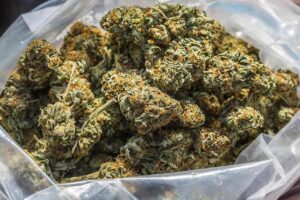
The phrase “weed in Jurong West” might at first glance conjure up images of informal usage, casual consumption, or fringe social activity. But in the context of Singapore, and specifically the town of Jurong West, the reality is far more complex — involving strict legislation, active enforcement by law-enforcement agencies, and local community impacts. In this article we examine:
- The legal framework around cannabis (commonly called “weed”, “ganja”, “pot”) in Singapore.
- The specific context of Jurong West – its demographic, social and residential character.
- Actual enforcement incidents in Jurong West and what they reveal.
- The social, community, family, youth and education implications.
- Concluding reflections on how the local neighbourhood might respond, the challenges ahead, and what residents or parents should know.
Legal Framework in Singapore
Illegality of Cannabis
In Singapore, cannabis in any form is a controlled drug under the Misuse of Drugs Act (MDA). The local enforcement agency, the Central Narcotics Bureau (CNB), states that: “Cannabis and its derivatives are listed as Class ‘A’ controlled drugs in the First Schedule of the MDA.” (CNB)
With that status:
- Possession, consumption, trafficking, import, export, manufacturing: all prohibited. (LegalClarity)
- The law has extraterritorial reach: even if a Singapore citizen or permanent resident consumes cannabis overseas, they still face possible prosecution in Singapore. (LegalClarity)
Penalties
The penalties are severe and tiered:
- For consumption or simple possession (less than certain weight thresholds): up to 10 years imprisonment, or fine up to S$20,000, or both. (LegalClarity)
- From 1 June 2023 onwards, stronger penalties introduced: for possession of cannabis above certain thresholds, you may face 20-30 years’ jail plus up to 15 strokes of the cane. (The Straits Times)
- Trafficking, import/export etc: For example, trafficking more than 500 g of cannabis could carry the death penalty. (CNB)
Why such strict laws?
The Singapore government’s position is that drugs (including cannabis) are harmful, addictive, can destroy lives, families and communities, and that a strong deterrent is required. For example, CNB’s “Keeping Singapore Drug-Free” strategy emphasises rigorous enforcement, local and international engagement, preventing both supply and demand. (Ministry of Home Affairs)
Thus when we look at weed in Jurong West, we must keep firmly in mind that usage, possession or trafficking is not merely tolerated or lightly regulated — it is strongly criminalised.
Jurong West – Local Context
The Town
Jurong West is a planning area and residential town in the West Region of Singapore. (Wikipedia) It has a mix of HDB estates, neighbourhood shopping centres, recreational amenities and a reasonably large population. (Wikipedia)
As a neighbourhood, Jurong West encompasses various sub-zones (for example, Taman Jurong) and is home to families, students (due to proximity to tertiary institutions), and long-term residents. (Penang Travel Tips)
Community and Lifestyle
Residents of Jurong West enjoy access to shopping (e.g., large suburban malls), recreational facilities (parks, sports centres) and local hawker culture. (Penang Travel Tips) At the same time, as with many large towns, it faces social challenges: youth engagement, balancing modernity/tradition, integrating new arrivals, and ensuring community cohesion.
Within this social backdrop, the issue of cannabis (weed) may not dominate headlines locally, but it intersects with broader issues of youth behaviour, drug awareness, family relationships and law enforcement.
Enforcement & Incidents in Jurong West
While the strict laws apply nationwide, Jurong West has seen specific enforcement examples that underscore the reality of cannabis (weed) presence and the seriousness of policing.
Example Cases
- On 18 May 2024: CNB officers arrested a 32-year-old man in Jurong West Street 81 area. A large haul: about 5.8 kg of cannabis, 1,582 g of “Ice” (methamphetamine) were seized. (CNB)
- On 2 November 2022: Two Singaporean men arrested for suspected drug trafficking in the vicinity of Jurong West Street 81. About 4,440 g of cannabis and other controlled drugs seized. (CNB)
- On 10 January 2023: Two siblings (17-year-old and 25-year-old) arrested for suspected drug offences near Jurong West Street 93. Cannabis among other drugs seized. (CNB)
Implications of These Cases
- The quantities of cannabis in some operations (kilograms) are large enough to suggest trafficking or distribution, not merely personal use.
- The locations (residential blocks, multi-storey carparks in Jurong West) show that drug enforcement is active even in suburban residential estates, not just hidden corners.
- The age profiles (including youths) highlight that involvement with controlled drugs is not limited to older adults.
- These cases reinforce that the local community is neither immune nor isolated from the national drug-law enforcement regime.
What about casual use?
While most publicly reported cases involve larger quantities (trafficking-level), one must not assume that casual use is widespread or goes unnoticed. Youths may experiment; community anecdotal commentary (e.g., on online forums) suggests some younger residents may perceive cannabis as “not very harmful” (though anecdotal). For example:
“Younger Singaporeans are more likely to perceive cannabis or weed as not harmful and to have considered using controlled substances…” (Reddit)
Although this does not mean casual use is accepted or without risk — quite the opposite; given Singapore’s laws, even small amounts can lead to serious consequences.
Social, Family & Youth Impacts
Youth Risks & Perceptions
As indicated above, younger persons may misjudge the risks of cannabis, possibly influenced by global discourse (where some countries legalise or relax laws). Locally, this misperception is problematic because the legal environment in Singapore remains extremely strict.
The possibility of youth being drawn into drug use (either through peer pressure, curiosity, social media) is real. Schools, community centres, and families in Jurong West must remain vigilant.
Families and Community
For families living in Jurong West: the presence of drug enforcement operations highlights that no neighbourhood is entirely insulated. The risk is not only of a young person being caught with drugs but also of exposure to environments where dealers or middle-men may operate.
The community dimension is important: neighbour vigilance, communal support, educational programmes are all relevant. The local community associations, grassroots organisations (such as in HDB estates), could play a role in awareness and prevention.
Community Reaction & Prevention
The local community in Jurong West can respond in several ways:
- Drug‐education programmes targeted at youths, possibly in collaboration with schools, local grassroots organisations.
- Neighbourhood watch or community patrols (while respecting privacy and law) to note suspicious behaviour — though enforcement remains the remit of CNB and police.
- Supporting at-risk youths: mentorship programmes, sports, arts, vocational training — giving young people positive alternatives.
- Ensuring that parents are well informed of the legal environment around cannabis: the fact that even consumption overseas may lead to prosecution, the heavy penalties, and the social consequences.
Weed Realities & Myths in Jurong West
Myth: “Weed is harmless / just a bit of fun”
Reality: Legally, it is harmful in the eyes of Singapore’s law. The CNB warns that cannabis “can affect concentration and memory which weakens the abuser’s ability to learn.” (CNB) From a social viewpoint, the heavy penalties reflect the government’s assessment of harm — both personal and societal.
The notion of harmless use is therefore misleading in this context.
Myth: “It’s only big traffickers who get caught”
Reality: Whilst major trafficking arrests get publicity (e.g., kg-scale seizures in Jurong West), the law also covers simple possession/consumption. It’s therefore risky even at smaller scales. The tiered penalties mean serious consequences can arise. (The Straits Times)
Myth: “It’s happening somewhere else, not in Jurong West”
Reality: As the enforcement cases show, Jurong West has seen operations by CNB, large seizures, arrests. The receipt of community risk is real. For example, Jurong West Street 81 has specifically been cited. (CNB)
Myth: “It’s only foreigners or outsiders”
Reality: Arrests include Singaporeans, youths, local residents. The law applies to citizens, permanent residents and foreigners alike. Citizens can be prosecuted even for drug consumption abroad. (LegalClarity)
What This Means for Residents of Jurong West
For Students and Young Adults
If you are a student living in Jurong West (or commuting there), be aware:
- Avoid all involvement with cannabis-related paraphernalia (vapes, oils, “edibles”) — even if you think it’s “only a bit”.
- Recognise peer pressure or the “cool factor” does not override legal risk and consequences.
- Make use of positive leisure options: Jurong West offers sports centres, parks, community clubs, shopping and food — these can be alternatives.
- Know your rights: If approached by law-enforcement, understand you are protected legally, but non-compliance (possession, etc) has serious consequences.
For Families and Parents
- Engage with your children: ask about their friends, activities, what they know about drugs, cannabis.
- Monitor for signs: changes in behaviour, withdrawal, secrecy, unexplained absences — potentially red flags.
- Make use of local neighbourhood resources: community centres in Jurong West may have youth programmes or partnerships.
- Teach clearly the laws: many young people may assume drug laws are lenient abroad and then carry behaviour back into Singapore — but Singaporean extraterritorial application means this is dangerous. (LegalClarity)
For Community Leaders & Grassroots Organisations
- Partner with schools to hold drug-education talks, possibly with CNB support or other agencies.
- Encourage safe, positive youth engagement: sports, film, music, community service in Jurong West.
- Work on “early intervention”: not everyone involved in drugs is a trafficker — some are vulnerable youths. Providing support routes (mentorship, counselling) can reduce risk.
- Promote community awareness: simple messages about the law, the risk, how to help.
Challenges and Considerations
Global Cannabis Landscape vs Local Reality
Globally, several countries and jurisdictions are relaxing cannabis laws, or providing medical-cannabis options, or decriminalising. That global shift sometimes leads to confusion among young people in Singapore. However, Singapore’s stance remains firm and distinct. The existence of different international norms means locals and visitors must be very mindful.
As a Reddit user noted:
“Consuming cannabis outside of S’pore is a crime, CNB reminds S’poreans” (Reddit)
Which underscores the unique position of Singapore’s legal environment.
Enforcement vs Prevention Balance
Strict law enforcement is essential, but alone it may not address root causes: youth boredom, alienation, peer pressure, social media influence, family dysfunction. In Jurong West (as in other estates) the community dimension matters. The challenge is balancing deterrence with support, education and engagement.
From the “Keeping Singapore Drug-Free” strategy: emphasis is placed on Preventive Drug Education (PDE) alongside enforcement. (Ministry of Home Affairs)
Social Stigma and Hidden Issues
There may be unreported or hidden use of cannabis in smaller quantities, perhaps among youths or via vapes (THC-infused products). Detection is harder for smaller cases; families may prefer to hide the problem. The risk is that such hidden use may escalate or lead to legal crisis. The earlier a community recognises the issue, the better the outcome.
Support for Offenders and Rehabilitation
For those caught and convicted, there are rehabilitation and correctional services. But the cost to families, to social capital, employment prospects is high. Jurong West residents may see neighbours or acquaintances caught — the ripple effects are real. Awareness of these consequences is important.
Conclusion: Reflecting on Weed in Jurong West
In summary:
- Cannabis (weed) is illegal in Singapore in any form, and the penalties are severe.
- Jurong West, a large and diverse residential town, is just as much within the purview of national laws and enforcement as anywhere else.
- Instances of large-scale cannabis trafficking, possession and arrests in Jurong West underscore that this is not a theoretical issue.
- For young people, families, community leaders in Jurong West: vigilance, education, positive engagement are key. Understanding the law is essential, but equally important is community support and youth outreach.
- The global trend towards cannabis liberalisation does not change Singapore’s stance. Complacency — “it won’t happen to me” — is dangerous.
- Finally: Building a resilient community in Jurong West means recognising potential drug-use risks, but also providing strong alternatives (sports, arts, mentorship) so the local youth have reasons to say no to weed, and say yes to healthier pathways.
Leave a Reply