
Weed in Leeds: Cannabis, Crime & Community in the Yorkshire City
Introduction
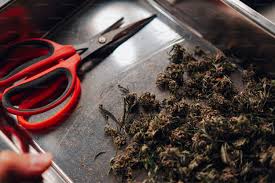
Cannabis — often referred to as “weed,” “grass,” or, in casual slang (and sometimes misused), even “a fag” — is more than just a backdrop to student life or casual smoking in Leeds. Behind the city’s thriving culture, academic reputation, and Northern grit lies a significant and growing issue: industrial-scale cannabis grows, organised crime involvement, serious safety risks, and deep community impact.
While for some, smoking a joint in Meanwood Park or during Freshers’ Week might feel harmless, in Leeds, the weed trade encompasses large-scale operations, criminal exploitation, and public health challenges. This article dives into the many dimensions of cannabis in Leeds: how it’s produced, how policing responds, what dangers it brings, and what the future may hold.
Legal & Policy Context
Cannabis Law in the UK & Enforcement in Leeds
Cannabis remains a Class B drug under UK law, meaning production, possession, or supply without a license is illegal. West Yorkshire Police is the primary body enforcing cannabis-related crime in Leeds.
In recent years, they have made large-scale cannabis cultivation a priority, as part of their efforts against organised crime. Growing weed is no longer just a low-level offence in Leeds — it can be part of a multi-million-pound criminal enterprise.
Local Drug Strategy & the Role of Cannabis
According to local crime and policing strategies, cannabis cultivation in Leeds is closely linked to other organised crime. In particular, some growers do not simply cultivate for personal use, but run commercial setups in houses, industrial units, or derelict buildings.
A report for the West Yorkshire Police and Crime Panel noted that cannabis is one of the most common drugs in production locally, and many of the suspect growers in Leeds are not British nationals.
This means the issue is not just drug misuse but also property crime, exploitation, and large-scale criminal revenue.
The Scale and Nature of Cannabis Cultivation in Leeds
Major Grow‑Ops & Cannabis Factories
Several major cannabis farms have been uncovered across Leeds in recent years, demonstrating just how industrialised the operation can be.
- 75 Farms, £4.5 Million Operation: In one of the most massive investigations, three men who ran property-management businesses enabling organised crime groups to set up cannabis grows in Leeds were sentenced. (ITVX) Over a series of raids, West Yorkshire Police seized 7,636 cannabis plants, roughly 458 kg of cannabis. (Yorkshire Post)
- Pudsey Industrial Unit: In June 2025, police raided a large industrial premises on Ruskin Street, Pudsey, uncovering more than 2,500 cannabis plants with an estimated street value in excess of £1.5 million. (Yorkshire Evening Post)
- Suburban Home Farm: In May 2024, officers smashed into a semi-detached home on Raylands Way, Middleton, and found 73 cannabis plants across two rooms. (Yorkshire Evening Post) The grow had a “sophisticated set-up” and illegally bypassed the electricity meter. (Yorkshire Evening Post)
- Derelict Care Home: A derelict care home in Moortown (Moorfield House) was revealed to be a cannabis farm. Police recovered 811 plants, capable of producing up to 44kg of dried cannabis, with an estimated street value of £446,000. (Yorkshire Post)
- Canal Lane Factory: In a dramatic case, foot-patrol officers discovered a “hot roof” on a factory near Leeds Canal. (Yorkshire Evening Post) On entry, they uncovered 354 mature plants and 50 saplings, plus a living area, kitchen, and insulation — the entire building was rigged for grow operations, with a potential crop value of hundreds of thousands of pounds. (Yorkshire Evening Post)
- Hunslet Industrial Unit: In November 2024, West Yorkshire Police executed a warrant on a unit in Larchfield Road, Hunslet, seizing 308 cannabis plants plus the remains of another 249 that had been harvested. (BBC News) The estimated value was £323,000. (BBC News)
These cases demonstrate a disturbing trend: cannabis cultivation in Leeds is not a collection of small-time grow-ops. Many are professionally run, high-risk, and deeply embedded in organized networks.
Risks, Harms & Impacts of Cannabis Cultivation in Leeds
Fire and Electrical Risks
Grow‑ops pose serious safety dangers. Many of them run large lighting rigs, high-powered fans, dehumidifiers, and other electrical equipment required for indoor cultivation. To power these, some growers bypass electricity meters, creating a dangerous situation where wiring can overload and spark fires.
The Canal Lane case, for example, involved extensive insulation and complex electrical systems — a fire waiting to happen. (Yorkshire Evening Post) Neighbours of such operations are not just witnessing crime; they could be living next to a firebomb.
Crime, Exploitation & Organised Networks
Cannabis cultivation in Leeds often intersects with organised crime. The £4.5 million operation involving hundreds of properties shows how deep and profitable this activity can be. (Yorkshire Post)
Some of these operations may involve exploitation. In at least one case (Raylands Way), the man tending to the plants claimed he was just a “gardener,” while evidence pointed to a much more serious setup. (Yorkshire Evening Post) The Canal Lane facility also had makeshift living quarters, suggesting people were staying there long-term, possibly under coercion. (Yorkshire Evening Post)
These kinds of operations are not just about growing weed — they may also involve human trafficking, forced labour, or criminal coercion. That makes them more dangerous, not just illegal.
Public Health & Community Harm
For those who use weed in Leeds, there are health risks, even if they’re just smoking casually:
- Mental Health: Regular or heavy cannabis use has been linked in studies to anxiety, depression, and in some cases, psychosis.
- Product Quality: Illicit cannabis from these grow‑ops is not quality-controlled — it could be contaminated with pesticides, mould, or other harmful chemicals.
- Dependency: While not everyone who smokes weed becomes dependent, there’s a risk for some, and access to regulated support is limited when the supply is entirely illegal.
Beyond the user, these grow-ops harm the wider community. Neighbours may feel unsafe; there’s the risk of crime, fire, and a sense that their area is being invaded by illicit activity.
Policing, Enforcement & Community Response
Major Police Operations
West Yorkshire Police have significantly ramped up enforcement against cannabis cultivation in Leeds.
- The 75-farm case was deeply disruptive to organised crime. (ITVX)
- The Canal Lane factory was uncovered because officers noticed heat coming off the roof during a foot pursuit. (Yorkshire Evening Post)
- The Hunslet industrial raid shows that even non-residential properties are being used for grow‑ops. (BBC News)
These operations not only seize the plants but also aim to dismantle the infrastructure behind them — the people, the money, the property networks.
Sentencing & Legal Consequences
Some of those behind these cannabis operations have received serious punishments:
- In the £4.5m Leeds farm case, Mirel Neatu received 32 months in prison; Marius Nedelcu got 28 months; Seyan Debnath received a suspended 21‑month sentence with community service and a curfew. (Yorkshire Post)
- In the derelict care home case (Moortown), six men were jailed for producing cannabis. (Yorkshire Post)
- In the Canal Lane case, Kullolli Jorvis, aged 22, pleaded guilty. He claimed he had been brought in to work off a trafficking debt, having been brought to Leeds from Albania. (Yorkshire Evening Post)
These legal outcomes send a strong signal: cannabis cultivation in Leeds, especially on an industrial scale, is being treated as a major crime, not a pet project.
Community Intelligence & Reporting
West Yorkshire Police actively encourage local residents to report suspected grow-ops. They point to signs such as:
- Unusual smells (sweet, pungent)
- High electricity usage, often paired with strange cabling
- Blacked-out windows or heavy curtains drawn tightly
- Frequent deliveries of plant pots, nutrients, or fans
- Noise from fans or ventilation systems
You can report via 101, or use Crimestoppers (0800 555 111) to do so anonymously. Neighbourhood officers often rely on these tips to start investigations.
Community Perspectives & Social Impact
Normalisation & Use in Leeds
Leeds has a large student population, and cannabis use is relatively normalized among younger people. Many may think of weed as part of a “fag‑and-chat” session rather than a criminal enterprise. But the reality is that meets and mokes among students or festival-goers are part of a much larger ecosystem, which includes serious growers and traffickers.
On Reddit, some local users comment that the smell of weed drifts over parts of southern Leeds, suggesting that cultivation or use is widespread enough to be detectable in the air. (Reddit)
Fear and Safety
For many Leeds residents, cannabis farms are not a harmless nuisance — they’re a threat. Grow‑house raids, reports of exploitation, and risk of fire all contribute to anxiety in communities. People feel they must keep an eye on their neighbourhood, unsure whether the house next door is just a suburban flat or a fully-fledged cannabis factory.
Neighbourhood policing teams report that fostering trust is key. Without cooperation from local residents, many grow‑ops remain hidden. Conversely, community-led reporting has helped fuel successful raids.
Economic & Property Damage
Cannabis cultivation imposes severe costs on property owners and landlords:
- Illegal grows often involve meter-tampering, costing landlords in lost revenue or damaged infrastructure.
- Buildings used for grow‑ops may suffer structural or water damage, due to humidity, condensation, or plant irrigation.
- When operations are discovered, cleanup is expensive, and some properties may be difficult to rent or sell after a raid.
Public Health, Harm Reduction & Policy Tensions
Health Risks & Support
As cannabis market grows, so does the need for harm‑reduction strategies:
- Local health authorities and charities should provide education about cannabis risks — not just law-breaking, but mental health, addiction, and health of black‑market weed.
- Treatment services for problematic users need to be accessible and de-stigmatized. If someone wants help, they should be able to get it without fear.
- For people coerced into growing, there needs to be an exit strategy and social support — criminal justice alone isn’t enough.
Policy Debate: Reform vs Enforcement
Cannabis reform is a hot topic nationally, and Leeds is no exception:
- Decriminalisation: Some argue that small-scale possession should be decriminalised to reduce burden on police and courts, and to separate users from criminal growers.
- Regulation / Legalisation: Others suggest a legal, regulated cannabis market could undercut the illicit trade, reducing profit for organised crime and improving product safety.
- Medical cannabis: With growing awareness of medical use, there’s debate on how cities like Leeds can support legitimate patients while cracking down on illegal producers.
But reform is risky. Without careful regulation, criminal groups could adapt. Plus, any policy shift needs to consider public safety, exploitation, and community trust.
Challenges & Key Dilemmas
- Trust & Reporting: Many residents may see grow‑ops but feel unsafe reporting them, or unsure whether to “grass” on a neighbour. Building trust is crucial.
- Resource Allocation: Policing large-scale cannabis farms takes manpower, intelligence, and money. Balancing that with other priorities is hard.
- Exploitation: Some growers are more like victims — trafficked, coerced, or financially trapped. A solely punitive approach may not help them.
- Regulation Trade‑offs: Legalising or decriminalising may help reduce illegal supply but could spark new problems if not done carefully.
- Health Access: People who smoke weed may not see themselves as needing help — but offering non-judgmental support is essential.
The Future of Weed in Leeds
Looking ahead, several possible developments could shape cannabis in Leeds:
- Greater Intelligence‑Led Raids
With continuous community cooperation and improved police intelligence, large-scale grow‑ops may be increasingly disrupted. - Stronger Public Education
Campaigns led by police, city council, and health organisations could raise awareness about the hidden risks of grow‑houses. - Harm Reduction Expansion
More drug support services, outreach to cannabis users, and safe‑use education might help reduce the negative impacts. - Policy Reform
Debate around decriminalisation or legal regulation may reach a tipping point in Leeds, especially if public safety and health concerns are part of the discussion. - Victim Support
Authorities should offer pathways out for those coerced into growing — exit programs, protection, legal help.
Conclusion
Weed in Leeds is not simply a harmless pastime or a student indulgence. It’s a complicated, high-stakes issue involving multi-million-pound operations, organised crime, safety risks, and community harm. While some people may treat a joint like a casual fag, the cannabis growing business in Leeds shows how serious and dangerous things can get behind closed doors.
West Yorkshire Police’s enforcement efforts — large-scale raids, seizures, and prosecutions — are vital, but they are only part of the solution. To truly tackle weed in Leeds, the city needs a balanced strategy: law enforcement and public health, community trust and reform, punishment and protection for those exploited.
Leeds stands at a crossroads: it can continue to treat cannabis purely as a crime problem, or it can embrace a nuanced approach that disrupts criminal networks, protects its people, and addresses the root causes of cannabis demand. The future of weed in Leeds may well depend on making the right choice — one that considers both justice and compassion.
Leave a Reply