
Weed in Chichester: A Comprehensive Look
Introduction
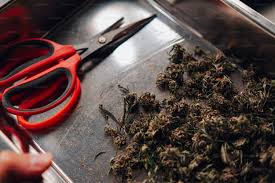
Cannabis — commonly called “weed,” “pot,” or “ganja” — is a topic of growing discussion across the UK, and Chichester, a historic city in West Sussex, is no exception. While recreational cannabis remains illegal in the UK, its presence in Chichester raises important issues around policing, public health, youth behavior, and community perception.
In this article, we take a deep dive into the reality of weed in Chichester: exploring crime and law enforcement, the social and health dimensions, under‑the-radar usage, and what the future might hold for cannabis policy in this part of Sussex.
The Legal Landscape: Cannabis in the UK
To set the stage, it’s important to understand the national legal framework governing cannabis:
- Under UK law, cannabis is classified as a Class B drug, meaning possession, production, and supply are illegal without proper authorization.
- Penalties for personal possession can include warnings, fines, or prosecution; more serious offences, such as supplying or growing cannabis, can lead to significant prison sentences.
- There is a medical cannabis scheme in the UK, but access is tightly controlled, and very few prescriptions are issued.
In Chichester, these national rules apply fully: any cannabis activity outside the regulated medical system is subject to enforcement by Sussex Police.
Cannabis Crime in Chichester
Local Police Activity & Arrests
Cannabis-related crime in Chichester is real and has drawn attention from Sussex Police:
- In June 2023, a 22-year-old man and a 36-year-old woman were arrested after officers executed a drugs warrant at a flat on Lennox Road, Chichester. The police seized cannabis (street value estimated around £3,000) and cash, and arrested them on suspicion of possession with intent to supply. (SussexWorld)
- In an earlier case, a Chichester man was arrested after police found a “vast amount” of cannabis at a property in Selsey; he was suspected of producing a Class B drug. (SussexWorld)
- In January 2022, a driver in Chichester was stopped for having no MOT (roadworthiness test), and police noted a strong smell of cannabis. A drug wipe came back positive; the driver was discovered in possession of cannabis. (SussexWorld)
These incidents showcase that cannabis enforcement in Chichester covers both low-level possession and more serious supply or production activities.
Larger-Scale Operations & Organised Crime
While individual arrests are common, Chichester also falls under the broader lens of county-wide operations targeting organised crime:
- Sussex Police reported a major operation resulting in the seizure of 1,740 cannabis plants across multiple raids, with an estimated street value of £1.7 million. (UK News in Pictures)
- That level of cultivation suggests involvement of organised crime groups, and underscores that large-scale cannabis production is not limited to big cities—rural or semi-rural towns like those around Chichester can also be sites for illicit grows.
The Tactical Enforcement Unit (TEU) of Sussex Police, which has expanded into West Sussex, plays a key role in targeting serious and persistent criminal activity, including drug operations. (sussex-pcc.gov.uk)
Public Health and Community Impact
Drug Demand & Usage Patterns
To understand local cannabis dynamics, the West Sussex Substance Misuse Needs Assessment provides valuable insights:
- The 2021 assessment shows that cannabis is the most commonly involved drug in police-recorded drug crimes in West Sussex, including Chichester.
- According to the Chichester Drug Demand Profile (2024), drug litter (including paraphernalia) is regularly found.
- In that report, younger age groups — particularly under-19 and those aged 20–29 — account for a significant portion of drug-related incidents.
These patterns suggest that cannabis is not just a criminal issue in Chichester but a public health concern, particularly among young people.
Community and Anti-Social Behavior
Cannabis use in Chichester is also tied to anti-social behavior and community worries:
- According to a recent Chichester City Council report, while some drug-related crime has been noted, there is a perception that smoking of cannabis in public areas has dropped recently. (chichestercity.gov.uk)
- However, drug use “litter” is still an issue. The Chichester cleansing team has recorded more than 750 pieces of drug litter between January 2020 and August 2023, including items suggesting group drug consumption.
- The same report notes that Chichester Central ward has the highest number of drug crime offences in the district.
Taken together, this information points to a dual reality: while large, publicly visible cannabis gatherings may be declining, use — and its environmental and social impacts — persist.
Youth, Risk, and Prevention
Cannabis access and use among young people is a particularly important dimension in Chichester’s landscape.
- The Chichester Drug Demand Profile suggests that younger residents are disproportionately involved in drug-related incidents.
- This is consistent with broader trends: national and regional data often show that younger adults and teens are more likely to experiment with cannabis.
- Schools, youth organizations, and public health agencies face the challenge of balancing prevention (discouraging harmful use) with the reality that many young people view cannabis relatively benignly.
Prevention efforts may include targeted education, outreach programs, and collaboration with local policing to reduce harm without resorting solely to punitive measures.
Raves, Events, and Cannabis in Chichester
Large-scale events and gatherings in and around Chichester occasionally intersect with cannabis use:
- In April 2025, Sussex Police cleared a site in Charlton Forest (near Chichester) that hosted an illegal rave with about 2,500 attendees. (sussexonlinenews.co.uk)
- During that operation (“Operation Wish”), people were arrested for drug-driving, and at least one person was held on suspicion of possession with intent to supply illegal drugs. (sussex.police.uk)
- Chief Superintendent Stu Hale issued a warning highlighting the risks of unlicensed events—not just for drug activity, but for safety, environmental damage, and strain on local emergency resources. (sussex.police.uk)
These incidents reinforce how cannabis use in Chichester is not confined to private homes — it can also surface in large, unregulated social settings, raising health and safety concerns.
Risk, Harm, and Policing Strategy
Enforcement & Proactive Policing
- Sussex Police’s Tactical Enforcement Unit (TEU) affirms that drug supply operations are a key focus in West Sussex. (sussex-pcc.gov.uk)
- By targeting organised crime groups and cultivation sites, the force aims to disrupt the infrastructure behind large-scale weed operations.
Public Safety Risks
Cannabis farming (especially on a large scale) poses multiple hazards:
- Fire Risk & Electrical Dangers
Illegal grow-ops often bypass electricity meters or rig wiring to power lamps and ventilation — creating serious fire risk. - Exploitation & Vulnerability
Some cannabis operations may exploit vulnerable individuals or coerce people into growing for others. While this is more commonly reported in large-scale farms, it’s a concern for regional policing. - Environmental and Community Impact
Drug litter, discarded paraphernalia, and the social nuisances associated with cannabis use can strain local services and damage public spaces.
Harm Reduction vs. Punishment
Given the prevalence of cannabis, there is a tension between enforcing the law strictly and adopting a harm-reduction approach:
- On one hand, enforcement sends a clear deterrent message and disrupts illegal supply chains.
- On the other hand, harm reduction advocates argue that education, safe-using messages, and outreach for young users may reduce negative health outcomes more effectively than criminalization.
In Chichester, some evidence (e.g., persistence of drug litter, youth involvement) suggests that a balanced strategy could yield better long‑term results than purely punitive measures.
Community Perceptions and Social Attitudes
How do residents of Chichester view weed? The answer is mixed, and shaped by age, social context, and personal experience.
- According to a Chichester City Council report, public notices suggest concern about cannabis smoking in communal areas, though the report also notes a decline in some visible behaviors. (chichestercity.gov.uk)
- Online communities reflect a variety of views. For example, some Reddit users claim that while cannabis is “available,” Chichester is not overrun by drug crime:
“There are certainly people here with serious drug problems … but personally I think it’s pretty sedate … a fair amount of cannabis around but still less than most places.” (Reddit)
- For others, the issue is more about social equity: users or observers note that privileged groups may access cannabis more safely, while others are caught up in illegal markets or policing.
These diverse perspectives underscore that cannabis is not a monolithic issue in Chichester — it’s interwoven with social, economic, and generational factors.
The Broader Policy Context & Future Possibilities
National Debate & Reform
Cannabis policy in the UK is under increasing scrutiny. While the law remains restrictive, debates continue about:
- Decriminalization vs. legalisation: Should cannabis be decriminalized (so small possession carries less harsh penalties) or legalized (regulated and taxed)?
- Medical access: Can access to medical cannabis be expanded meaningfully while still ensuring safety and preventing misuse?
- Public health frameworks: How should councils, health authorities, and police collaborate to reduce harm from cannabis use?
Chichester, as part of West Sussex, could be influenced by wider reforms. Local evidence — such as youth demand, drug litter, and policing outcomes — may feed into future policy discussions.
Local Strategies for Chichester
If policymakers were to act locally, some possible strategies include:
- Enhanced Youth Education
- School-based programs on drug risks
- Peer-led initiatives and youth-friendly harm reduction materials
- Community Engagement & Support
- Safe spaces for dialogue with police, health providers, and young people
- Recovery and treatment services tailored for cannabis users
- Environmental Clean-up & Public Safety
- Targeted litter-pick campaigns in known drug-use hotspots
- Support for community reporting and partnership with cleansing services
- Policing + Health Partnerships
- Co-developed strategies between Sussex Police, public health teams, and social services
- Focus not just on arrests, but also on diversion to treatment or education when appropriate
Challenges & Risks Ahead
Even with thoughtful strategy, Chichester faces several challenges when it comes to cannabis:
- Stigma: Users often face social stigma, which can discourage people from seeking help or honest discussion.
- Resource Constraints: Local health services may struggle to fund specialist drug outreach programs, especially if policy shifts require more investment.
- Enforcement vs Rights: Tighter policing can deter drug supply but might also criminalize young or low-level users disproportionately.
- Policy Uncertainty: Without clear national reform, local initiatives may lack the legal or financial backing to be effective long-term.
Conclusion
Weed — cannabis — in Chichester is more than a criminal enforcement issue. It touches on public health, youth behavior, social attitudes, and policing priorities. While Chichester has seen its share of cannabis busts, it also contends with persistent drug-use litter, youth involvement, and environmental concerns.
Addressing cannabis in Chichester means more than ramping up arrests. A balanced, community-informed strategy that combines enforcement with education and harm reduction could offer a more sustainable and humane path forward.
As the national debate over cannabis policy continues, Chichester may find itself at an important crossroads: between maintaining the status quo and embracing nuanced, locally led solutions. The city’s future approach will likely reflect wider shifts — but also its own unique context, shaped by community, history, and the lived experience of its residents.
Leave a Reply