
Weed in Exeter: A Comprehensive Perspective
Introduction
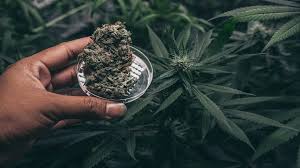
Cannabis — colloquially known as “weed,” “pot,” or “ganja” — remains one of the most contentious illicit drugs in the UK. In Exeter, the county town of Devon, weed’s presence is felt across law enforcement, public health, community life, and youth culture. While recreational use is illegal, the cannabis landscape in Exeter involves more than occasional users: it includes large-scale grow operations, policing crackdowns, and a growing conversation about harm reduction.
This article explores the complex realities of weed in Exeter: from drug seizures and organized crime, to health implications, youth trends, and what the future of cannabis policy might look like in the city.
Legal Status of Cannabis in Exeter / UK
To understand the situation in Exeter, it helps to start with the legal context:
- Cannabis is classified as a Class B controlled drug under the UK’s Misuse of Drugs Act, meaning that possession, supply, and cultivation are illegal without a license.
- Penalties vary: someone caught with a small amount may receive a warning or fine, but cultivation or intent to supply can lead to prison sentences.
- While medical cannabis is legal in the UK in very restricted circumstances, access is limited and regulated, and many users do not qualify for a prescription.
These national laws apply in Exeter, enforced by Devon and Cornwall Police, which regularly targets cannabis cultivation and supply networks.
Cannabis Crime in Exeter: Policing, Raids, and Seizures
Major Cannabis Raids & Grow‑Ops
In recent years, Exeter and Devon more broadly have seen significant police action against cannabis farms and networks.
- In a substantial case, police discovered a cannabis-growing operation in a workshop at Kingswood Court Business Park, near Exeter. Authorities found 359 cannabis plants, with the farmers reportedly capable of producing up to £1 million worth of cannabis in a year. (Yahoo News)
- According to Devon & Cornwall Police’s own data (via a Freedom of Information request), they carried out 71 seizures of cannabis plant farms in 2024 alone. (devon-cornwall.police.uk)
- In a wide regional sweep (including Exeter) under Operation Scorpion, more than 1,190 cannabis plants were seized across Devon and Cornwall; the police estimated the street value at about £675,000. (BBC Feeds)
- In an older but illustrative example, over 100 cannabis plants were found on a farm near Chulmleigh, reinforcing that rural grow-ops are a real challenge. (The Exeter Daily)
These operations reflect a two-fold threat: small-scale personal cultivation and large, organized criminal grow-ops.
Street-Level Supply, Local Dealing & Crime
Beyond farms, there is also local supply and street-level dealing in Exeter:
- In November 2025, a mother and son in Exeter (Bennett Square) were prosecuted for running a drug-dealing operation from their home. Police found substantial cannabis (along with cocaine), cash, and a full setup for preparing and packaging drugs. (Crediton Courier)
- Police in Exeter have also ramped up crackdowns on drug activity in known hotspots. In one proactive week (Operation Scorpion 8), they arrested dozens of people, seized over £150,000 worth of drugs, and confiscated weapons. (exetertoday.co.uk)
- Devon & Cornwall Police also maintain a public-facing alert to the signs of smart grow-ops, emphasizing things like trailing cables, heavy condensation on windows, strong smells, and unusual energy use — signs that could indicate a cannabis farm. (CornishStuff)
Through these efforts, law enforcement stresses that cannabis production and supply are not victimless crimes: they are tied to organized networks, exploitation, and local harm.
Public Health & Social Impact in Exeter
Prevalence, Use, and Risk
Understanding cannabis in Exeter requires looking beyond crime — to public health, demand, and social effects.
- According to the Devon Strategic Assessment (2017–18), cannabis was implicated in 63% of drug-related offences in Exeter’s Community Safety Partnership for that year.
- A Devon & Cornwall Police strategic plan notes that cannabis and cocaine are the most commonly used drugs in the region, and that many users see drug consumption as “harmless,” ignoring the broader social and criminal costs. (devonandcornwall.s3.amazonaws.com)
- Estimates from public health assessments (such as the JSNA and earlier surveys) suggest that a non-trivial portion of Devon’s population engages in cannabis use.
- According to a 2011–12 survey, around 5.77% of people aged 16–59 in Devon reported using cannabis in the previous year (though this is modelled data and not necessarily specific to Exeter).
These data points signal a steady, persistent presence of cannabis in the local social fabric — not just underground crime, but real consumption among residents.
Harm, Vulnerability & Health Services
Use of cannabis brings a range of potential harms, some of which are magnified by its illegal status:
- Mental Health Risks
- Prolonged or heavy cannabis use is associated with increased chances of anxiety, depressive symptoms, and in some vulnerable individuals, psychosis.
- Because many users obtain weed from illicit sources, potency and chemical contents can vary widely, increasing risk.
- Exploitation & Organized Crime
- Large cannabis farms often operate under the control of criminal networks. The case at Kingswood Court suggested exploitation: individuals tending the plants may not fully benefit from the profits. (Yahoo News)
- Proceeds from cannabis supply can fuel broader crime, including violence or other drug trafficking.
- Public Health Strain
- Drug enforcement operations, though necessary, also divert resources.
- People who develop dependency may be reluctant to seek help due to stigma or fear of legal repercussions.
- Treatment services for drug misuse must navigate not just class-A addiction but also “recreational” cannabis users who may still need support.
- Youth Vulnerability
- Young people may view cannabis as low-risk or socially acceptable, but early use is linked to longer-term health issues.
- There is also a risk of recruitment into drug markets, especially in areas affected by organized supply chains.
Community Response & Youth Culture
Local Perceptions & Social Attitudes
In Exeter, as elsewhere, attitudes to cannabis are mixed:
- Some residents view cannabis use as relatively benign or “part of youth culture”; others see it as a major social problem tied to crime and exploitation.
- Public safety campaigns emphasize how cultivation sites can pose neighborhood risks: electrical hazards, frequent strangers coming and going, and potential for anti-social behavior.
- At the same time, community groups and public health advocates argue for more harm-reduction than punitive approaches. They call for education, safer-use messaging, and better access to treatment services.
Youth & Risk
- Young adults and students in Exeter may be particularly exposed to cannabis culture. University life often coincides with experimentation.
- Prevention efforts (schools, youth organizations) must walk a fine line: discouraging harmful use, while acknowledging that many young people will be exposed to weed.
- Anecdotal accounts from locals also reflect tension: for example, Reddit threads discuss police presence in central Exeter, sniffer dogs, and stop-and-search at transport hubs, suggesting that enforcement is visible in youth spaces. (Reddit)
- Some youth-led harm reduction could be effective: peer education, age-appropriate messaging, and local support networks to reduce risks.
Policy & Enforcement: Strategies & Challenges
Policing Strategy in Exeter / Devon
Devon & Cornwall Police have adopted a multifaceted approach to cannabis in Exeter:
- Targeted Raids
- High-value grow‑ops, such as the business-park cannabis farm, are a priority. These operations often involve forced entry, intelligence gathering, and multi-agency coordination. (Yahoo News)
- Operations like Scorpion focus on both county lines and cultivation networks, aiming to disrupt supply and protect vulnerable people. (BBC Feeds)
- Data Monitoring & Transparency
- Through FOI disclosures, the force tracks seizures of cannabis plant farms, giving insight into scale and trends. (devon-cornwall.police.uk)
- They use intelligence from communities: local tips help identify suspicious properties, electrical anomalies, or other signs of cultivation.
- Public Engagement & Reporting
- Police encourage residents to report suspected growing via 101 or Crimestoppers. In many grow‑op busts, resident intelligence was a key factor. (CornishStuff)
- Educational campaigns stress the dangers of illicit cannabis operations — not just legal risk, but fire hazards, exploitation, and community harm.
Public Health & Harm Reduction
Policymakers and health services in Devon recognize the need for a balanced response:
- The Devon & Cornwall Police Crime Commissioner’s strategic plan acknowledges that many cannabis users see the drug as harmless, but also warns of the broader social impacts of supply. (devonandcornwall.s3.amazonaws.com)
- Public health bodies advocate for more accessible treatment: both for “problem cannabis users” and for those at risk of dependence.
- Education efforts are needed: informing young people, families, and community groups about the real risks, especially those tied to unregulated supply.
- Collaboration between police, social services, and health providers is critical: law enforcement alone cannot solve the harms associated with cannabis.
Broader Trends & Future Directions
Organized Crime & Exploitation
- Large-scale cannabis farms in Devon (and near Exeter) point to a sophisticated, organized criminal presence. These are not just amateur growers — some are part of national or even transnational networks. (CornishStuff)
- The profits from cannabis production can fund other forms of crime, and there is concern about exploitation: people working in grow‑ops may be coerced, trafficked, or paid very little.
Policy Reform: Decriminalization & Legalization
- As in many parts of the UK, there is debate over whether cannabis should be decriminalized (possession treated as a civil offense) or legalized/regulated.
- Advocates argue reform could:
- Reduce the burden on criminal justice systems.
- Shift resources toward harm reduction, education, and treatment.
- Undercut illicit, organized supply networks.
- Opponents warn of increased use, especially among youth, and challenge the capacity of health systems to respond if legality makes cannabis more widespread.
Community-Led Solutions
- Grassroots approaches may grow in importance: peer-led education, harm reduction initiatives, and local advocacy for policy change.
- Community safety partnerships can play a role: working jointly with police, town councils, and public health to design interventions that balance enforcement and support.
- Technology and data: mapping hotspots, tracking seizures, and evaluating the impact of policing or health interventions could help refine strategy.
Risks, Challenges & Ethical Concerns
Even with robust enforcement and thoughtful policy, Exeter faces significant challenges:
- Fire and Safety: Illegal grow‑ops often involve makeshift electrical setups, condensation, and outdated wiring, which can pose serious fire risk.
- Exploitation: People working in grow‑ops may be vulnerable; organized crime may prey on them, creating cycles of harm.
- Stigmatization: Cannabis users, even non-problematic ones, may face stigma and legal risk, deterring them from seeking help.
- Resource Allocation: Public health and policing resources are limited; balancing enforcement with treatment will require sustained investment.
- Policy Trap: Without nationwide reform, local harm-reduction initiatives may struggle — legal ambiguity can undermine their effectiveness or sustainability.
Personal Stories & Local Voices
- Some Exeter residents express frustration at how cannabis is policed: for example, young people on Reddit report heavy police presence, sniffer dogs, and stop‑and-search near public transport hubs. (Reddit)
- Others are worried about crime: community groups say that grow-ops and dealers bring anti-social behavior, risk, and fear to their neighborhoods.
- On the other hand, there are people who use cannabis recreationally without links to crime — but they often still worry about potency, source, and legal risk.
- Family members of users may call for more therapeutic options, not just criminal punishment; they see addiction, mental health, and social support as part of the solution.
Conclusion
Weed in Exeter is much more than a minor law-enforcement issue. Cannabis touches on serious criminal networks, public health concerns, youth culture, and community well‑being. The pattern of grow‑ops, the scale of enforcement, and the number of users all point to a deeply embedded problem — but also an opportunity for change.
Exeter’s future approach to cannabis could benefit from a careful balance: holding growers and traffickers accountable, while also investing in education, harm reduction, and health services. Reform advocates argue that decriminalization or regulation might reduce harm and undercut criminal supply, but change will require political will, community engagement, and resource commitment.
As Exeter navigates the complex realities of weed, the question is not just whether cannabis can be suppressed — but how its impacts can be managed in a way that promotes public safety, health, and justice.
Leave a Reply