
Weed in Edinburgh: A Deep Dive
Introduction
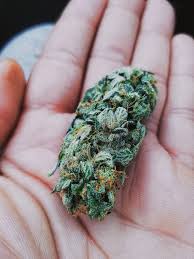
Cannabis — or “weed” — exists in a grey and complicated space in Edinburgh. Although possession, cultivation, and supply remain illegal, its presence in the city is both deeply embedded and evolving. From high-value police seizures to changing public opinion and increasing pressure for law reform, the story of weed in Edinburgh illustrates broader tensions in Scotland: between enforcement and harm reduction, crime and community, stigma and pragmatism.
This article explores the multifaceted landscape of weed in Edinburgh: the legal environment, the role of organized crime, police activity, public health challenges, youth culture, and what the future might hold.
Legal Landscape: Cannabis in Scotland / Edinburgh
National Law
- In Scotland, cannabis is classified as a Class B drug under the Misuse of Drugs Act, making possession, cultivation, and supply illegal without authorization.
- Penalties vary, depending on scale: simple possession can lead to warnings or prosecution, while cultivation or trafficking brings much more serious consequences.
- Medical cannabis is technically legal in the UK, including Scotland, but access is tightly controlled. Approved prescriptions are relatively rare, and usage remains limited.
Thus, in Edinburgh, recreational cannabis remains illicit under national law, even as the public conversation shifts.
Enforcement Framework
- Policing in Edinburgh falls under Police Scotland, which has dedicated units for serious and organized crime, including drug supply.
- The Scottish Police Authority’s quarterly performance reports show active disruption of cannabis operations, including recoveries of plants and cash. (spa.police.uk)
- Public cooperation is often part of enforcement strategies: Police Scotland encourages residents to report suspicious activity (e.g., signs of cultivation) via 101 or Crimestoppers (0800 555 111). (scotland.police.uk)
Cannabis Crime in Edinburgh: Seizures, Raids, and Organized Cultivation
High-Value Recoveries & Organized Crime
Edinburgh has seen several major cannabis operations linked to organized crime, underlining that “weed in Edinburgh” is not just about low-level use, but serious criminal enterprise.
- In April 2025, Police Scotland executed warrants in Edinburgh and the Lothians, seizing cannabis with an estimated street value of £700,000. (scotland.police.uk)
- Three men (aged 24, 30, and 32) were arrested in connection with that operation. (Edinburgh News)
- In another massive bust, two men were arrested after police uncovered cannabis cultivations worth around £3.6 million, including operations in Edinburgh. (scotland.police.uk)
- More broadly, since the start of 2024, Police Scotland has seized over £8.5 million worth of cannabis across the country (plants), demonstrating large-scale disruption of supply. (scotland.police.uk)
These figures suggest that Edinburgh is not immune to the national-level challenges of cannabis supply and organized crime.
Local Cultivations & Residential Grow‑Ops
- In January 2025, a flat in Ochiltree Gardens, Edinburgh was raided, and around 500 cannabis plants were found. The estimated street value was £300,000. (scotland.police.uk)
- Two people (a 25-year-old man and a 22-year-old woman) were arrested in connection with that grow. (Edinburgh News)
- These residential operations are not just criminal but also potentially dangerous: grow-ops can involve makeshift wiring, power abuse, and risk to neighbors.
Prosecution & Sentencing
- In a related but larger context, a man was later jailed for his involvement in a cannabis production that, while not in Edinburgh, underscores the risk: the biggest cultivation ever uncovered in Scotland, valued at £6.3 million, led to a 3 year, 3 month prison sentence. (scotland.police.uk)
- Such prosecutions signal that serious cannabis cultivation, when detected, is punished, but the scale and reach of such operations remain significant.
Public Health & Demand: Cannabis Use in Edinburgh
Prevalence & Trends
- According to a Scottish Crime and Justice Survey summary, self-reported drug use rose between 2017–18 and 2019–20, with 13.5% of respondents admitting to taking at least one illicit drug in the past year.
- Cannabis was the most commonly reported illicit drug in that survey.
- Younger people, particularly in the 16–24 age group, reported higher rates of use: over 20% in that cohort said they used drugs in the previous 12 months.
These data suggest that cannabis remains a key drug of use in Edinburgh and Scotland generally, especially among young adults.
Harm, Health Risks & Vulnerable Communities
Cannabis use presents several public health challenges, particularly due to its illegal status in Edinburgh:
- Mental Health Risks
- Regular or heavy cannabis use can be associated with anxiety, depression, and for some individuals, higher risk of psychosis.
- Because illicit cannabis is unregulated, potency and purity vary, which increases the risk of adverse effects.
- Social & Economic Costs
- Illegal supply chains often feed into broader criminal economies. The profits from large cannabis operations go into serious and organized crime, which harms communities.
- Cultivators may exploit vulnerable people (e.g., by employing them in grow‑ops), increasing social harm.
- Healthcare & Treatment Access
- Users who develop cannabis-related issues may be reluctant to seek help due to stigma or fear of legal consequences.
- There may be insufficient tailored treatment for cannabis use compared to other substances like alcohol or class-A drugs.
- Public Safety Risks
- Grow‑ops can pose fire risks due to illicit electrical wiring, heating systems, and poor building safety.
- Neighborhoods with cultivation operations may experience increased crime, visitation by suppliers, and anti-social behavior.
Policing Strategy & Community Response
Enforcement & Disruption
- Police Scotland’s organized crime units are actively targeting high-value cannabis operations. The £700,000 seizure in Edinburgh is not an isolated case — it’s part of a larger strategy. (scotland.police.uk)
- The public is a key partner: Police Scotland appeals to local residents for intelligence, stressing that community tips are often central to successful raids. (scotland.police.uk)
- According to the Scottish Police Authority’s performance reports, drug disruption is not just concentrated on supply, but also involves diversion and prevention strategies. (spa.police.uk)
- At the same time, the police acknowledge resource constraints: tackling small‑scale possession, street-level dealing, and large-scale cultivation all demand different tools.
Harm Reduction & Health-Focused Approaches
- While cannabis is illegal, there is growing advocacy for decriminalisation or reform. A national survey reported that 66% of Scots agree people should not be prosecuted for small amounts of cannabis for personal use. (cannabislaw.report)
- Public health experts argue for more investment in treatment and prevention, rather than purely punitive responses.
- Some harm-reduction models, like supervised consumption sites, are emerging in Scotland — though not yet specifically for cannabis in Edinburgh. (For instance, Glasgow opened its first legal drug consumption facility in 2025.) (Wikipedia)
- Police‑health partnerships may also help: identifying people who could benefit from support rather than arrest, diverting them to services when possible.
Social Attitudes & Youth Culture in Edinburgh
Public Opinion and Reform
- Public sentiment in Scotland is shifting: many people now support more lenient cannabis laws, especially for personal use. (cannabislaw.report)
- Among youth, particularly in Edinburgh, weed is often normalized. On Reddit, for example, users note that while cannabis remains illegal, many still see it as a common part of social life:
“People openly smoke cannabis in the streets.” (Reddit)
- Another thread reflects frustration with strict enforcement or the perceived failure of prohibition:
“Legalise and regulate … take the hundreds of millions generated by organised crime … and use the revenue to fund social services … addiction services … mental health …” (Reddit)
Risks for Young People
- Young people using cannabis may underestimate risk, especially with high-potency illegal products.
- There is also concern about involvement in illegal markets, especially for those who become more deeply linked to supply networks.
- Education and prevention programs remain vital: young people need accurate information about harms, legal risk, and safer consumption strategies.
Policy Debate & the Future of Cannabis in Edinburgh
Reform Proposals
- Decriminalisation: Many Scots support treating small-scale possession as a non-criminal matter. (cannabislaw.report)
- Legalisation and Regulation: Some advocates propose a model of regulated cannabis (taxed, controlled), arguing it would reduce illegal trade and generate public revenue.
- Harm-Reduction Infrastructure: Expanding harm-reduction options — including safer consumption spaces, education programs, and treatment services — could shift the focus from punishment to health.
Challenges to Reform
- Political Will: Cannabis reform is still a live debate in Scotland, but progress is uneven and contested.
- Safety and Health: Legalisation advocates must address concerns about youth access, mental health, and safe regulation.
- Crime Networks: Even with reform, dismantling established criminal supply networks would remain a major challenge.
- Resource Allocation: Decriminalisation or legalisation would require investment in regulation, public health, and law enforcement capacity repurposing.
Risks & Ethical Concerns
- Exploitation: Illegal grow‑ops in Edinburgh and beyond may rely on exploitation of vulnerable people. Disentangling legalized markets from criminal structures is ethically complex.
- Normalization: As cannabis becomes more visible and accepted, there’s risk that harmful use could increase without strong public health guardrails.
- Community Impact: Policy must balance community concerns over public use, safety, and nuisance with the rights and needs of users.
- Enforcement Disparities: Reform must ensure any new laws do not disproportionately disadvantage marginalized communities or reinforce existing inequities.
Real-World Stories & Local Voices
- On Reddit’s r/Edinburgh, some users argue that prohibition disproportionately targets poorer neighborhoods:
“Edinburgh doesn’t have a war on drugs, it has a war on poor people … Grow ops can move to dedicated … facilities … police should have more time …” (Reddit)
- Another thread from r/edinburgh_green reflects on the accessibility of cannabis in the city and how “the right people” can still source it, despite its illegality. (Reddit)
- These conversations show the lived reality: for many, cannabis is part of social life. For others, it’s tied to crime and inequality.
Conclusion
Weed in Edinburgh is not a simple issue. It sits at the confluence of crime, public health, youth culture, and policy. Royal Mile or Portobello, affluent neighborhoods or working-class areas — cannabis touches them all, but in different ways.
Police Scotland is actively disrupting large-scale operations, prosecuting organized crime, and seizing substantial quantities. (scotland.police.uk) At the same time, many Scots are calling for reform: decriminalisation, safer consumption, and a health-first approach. (cannabislaw.report) The tension between enforcement and harm reduction defines the debate.
The future of weed in Edinburgh will likely depend on political momentum, community engagement, and creative policy design. Will Scotland move toward regulated markets, or stay in its current in-between state? Will public health investments match the scale of use? Whatever happens, cannabis in Edinburgh will continue to be a barometer for broader changes in drug policy.
Leave a Reply