
Weed in Brighton: A Comprehensive Exploration
Introduction
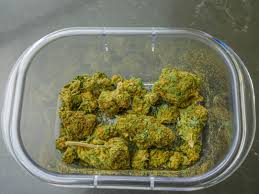
Cannabis — commonly referred to as “weed” — remains illegal for recreational use in the UK, but in Brighton & Hove, its presence is both tangible and complex. From small-scale street-level dealing to sophisticated grow‑ops hidden in residential or abandoned buildings, cannabis in Brighton touches on public safety, organised crime, health, and local policy. Despite enforcement efforts, supply networks remain resilient, while demand from residents persists, creating a tangled ecosystem of risk and harm.
This article unpacks the current landscape: how cannabis is grown and distributed in Brighton, how law enforcement is responding, the health and social consequences for the city, how local policy is evolving, and what the future might hold.
Legal & Institutional Context
Cannabis Law & Enforcement in Brighton
- In the UK, cannabis is classified as a Class B drug under the Misuse of Drugs Act, making its production, supply, and possession illegal without a license.
- In Brighton & Hove, policing is handled by Sussex Police, who conduct targeted operations against cannabis cultivation and supply.
- Brighton & Hove City Council has recognized drug harm as a priority: their Drug & Alcohol Strategy 2024–2030 explicitly sets out goals to disrupt supply, reduce demand, and expand recovery services. (Brighton & Hove City Council)
- Local multi-agency groups, including the Brighton & Hove Combatting Drugs Partnership, drive coordination between the police, health services, community groups, and treatment providers. (Brighton & Hove City Council)
Cannabis Cultivation & Crime in Brighton
Notable Grow‑Ops & Police Raids
- Reigate Road Property – 50+ Plants
- In 2023, Sussex Police raided a property on Reigate Road, discovering more than 50 cannabis plants on the upper floors. (Sussex News)
- Neighbours had reported concerns about illegal activity and possible tampering with the electrical supply – indeed, electricity abstraction was found, a common tactic in grow operations. (Sussex News)
- The plants were destroyed after seizure, and the area was secured to prevent hazard from illicit wiring. (Sussex News)
- Upper North Street Burglary Reveals Farm
- In September 2024, a burglary in Upper North Street led police to a cannabis farm: they found around 80 plants in the property. (Brighton and Hove News)
- The operation highlights how cannabis grows can hide in otherwise unremarkable residential areas — only discovered because of unrelated crime. (Brighton and Hove News)
- Stanford House (Preston Village) – Disused Building Farm
- In January 2022, Sussex Police uncovered a commercial-style cannabis farm in Stanford House, a disused building in Preston Village, Brighton. (Brighton and Hove News)
- They found a recently harvested crop, drying cannabis, and equipment, suggesting ongoing large-scale cultivation. (Brighton and Hove News)
- The estimated street value of the crop was between £45,000 and £65,000, and police raised concerns about possible links to organised crime and exploitation. (Brighton and Hove News)
- Hove House Farm – August 2025
- In August 2025, a raid on a property at 51 Wish Road, Hove led to seizure of cannabis plants and associated grow equipment. (Brighton and Hove News)
- A man (39-year-old) was charged with “being concerned in the production and supply of a Class B drug” (cannabis), and also with tampering with the electrical supply. (Brighton and Hove News)
- UK Power Networks was involved in making the property safe, underscoring the risks posed by illicit grow operations. (Brighton and Hove News)
- Portslade Cannabis Factory – Community Tip-Off
- In August 2025, neighbours in Portslade called police after spotting what looked like a burglary; the address was later found to contain a cannabis farm across three rooms. (Brighton and Hove News)
- Electricians discovered illegal meter bypassing, and the flat had been modified (kitchen removed, ventilation tunnels, etc.) for cultivation. (Brighton and Hove News)
- The tenant was arrested, and police appealed for witnesses; they emphasized that many such grow‑ops are hidden behind normal-looking flats. (Brighton and Hove News)
Organised Crime & Cannabis Supply
- Cannabis cultivation in Brighton is not always a “hobby farm”: many operations appear to link into broader criminal networks.
- The Independent Drugs Commission’s report on Brighton & Hove notes that cannabis is the most common illegal drug, and that organised crime groups are deeply embedded in local supply chains. (democracy.brighton-hove.gov.uk)
- Suspicions of exploitation have been raised: some properties used for cannabis farms may involve vulnerable individuals or coerced labor. For example, in the Portslade case, neighbours noted that young people had likely been brought in and were living in cramped, illicit conditions. (Brighton and Hove News)
- The Brighton & Hove drug strategy (2024–2030) calls for disruption of these organised supply chains as a core priority. (Brighton & Hove City Council)
Public Safety & Risks in Brighton
Fire, Electrical & Structural Hazards
- Illegal grow‑ops often tamper with electricity meters to power their operations, leading to dangerous wiring, overloads, and fire risk. This was confirmed in several Brighton raids. (Sussex News)
- In the Portslade farm, this risk was stark: bypassed meters, walls modified, ventilation tunnels — these are not makeshift tents but serious modifications that threaten building safety. (Brighton and Hove News)
- Such operations may go unnoticed until they cause damage, risk to neighbours, or emergency interventions.
Exploitation & Human Harm
- Brighton’s cannabis farms are not always run by lone growers: evidence suggests organised crime groups may be recruiting or coercing tenants or workers. (Brighton and Hove News)
- Victims may face poor living conditions, limited freedom, and pressure to maintain the crop under threat or deception.
- The strategy document for Brighton & Hove explicitly recognizes that organised crime “criminally exploit children, young people and other vulnerable groups” via drug supply. (Brighton & Hove City Council)
Community Impact & Trust
- When farms are discovered, local residents often feel violated or unsafe. Homes may be repurposed, infrastructure tampered with, and neighbourhoods disrupted.
- However, local vigilance matters: many cannabis farms in Brighton came to light because neighbours reported suspicious activity (e.g., in Portslade, Reigate Road). (Brighton and Hove News)
- Police and the local council stress the importance of public cooperation in detecting and dismantling such operations — through 101, Crimestoppers, or similar reporting channels.
Public Health, Demand & Use in Brighton
Use & Demand
- According to Brighton & Hove’s Drug & Alcohol Strategy, 20% of adults in the city report using non-prescribed drugs in the past year. (Brighton & Hove City Council)
- Cannabis remains the most common illegal substance cited in reports and treatment‑service referrals. (democracy.brighton-hove.gov.uk)
- Given the scale of cultivation discovered (some worth tens of thousands), it’s clear that demand is not trivial and that some of the production is geared toward supply beyond personal use.
Health Risks & Vulnerability
- Mental health: Regular or heavy cannabis use can increase risk of anxiety, psychosis, or mood disorders — especially when potency is unknown.
- Contaminants: Illegally grown cannabis may contain pesticides, mold, or other harmful substances due to a lack of quality control.
- Criminal risk: People involved in cultivation, sales, or possession face legal penalties; those exploited in farms may also suffer trauma and instability.
- Barriers to support: Stigma, fear of arrest, or involvement with crime can deter individuals from seeking treatment.
Policing Strategy & Local Response
Enforcement & Intelligence
- Sussex Police deploy Specialist Enforcement Units to target cannabis farms. Tip-offs from the public have led directly to major raids. (Sussex News)
- Strategic partnerships between the police and Brighton & Hove City Council (Combatting Drugs Partnership) drive multi-agency work to identify and mitigate cannabis production. (Brighton & Hove City Council)
- The 2024–2030 city strategy emphasizes both disruption of supply and support for people with drug harm, signalling a balanced approach. (Brighton & Hove City Council)
Prevention, Support & Recovery
- The Brighton & Hove Drug & Alcohol Strategy aims to expand access to treatment, peer recovery programs, and community-based support, reducing reliance on criminal justice solutions. (Brighton & Hove City Council)
- Outreach is being scaled, focusing on youth, marginalized communities, and those previously involved in or exposed to cannabis cultivation.
- The city also aims to reduce stigma, particularly for people who use cannabis or who have been exploited; this is central to its “generational shift in demand” goal. (Brighton & Hove City Council)
Social & Ethical Dimensions
- Exploitation: Cannabis farms in Brighton may recruit vulnerable people, including migrants. Such labour raises serious human rights concerns.
- Safety vs Illicit Economy: Grow‑ops risk both fire hazard and community damage, but clandestine cultivation also fuels criminal networks.
- Stigma and Criminalisation: Cannabis users are often criminalised. But not everyone involved — especially labourers — is a willing criminal mastermind.
- Policy Debate: Should Brighton push for decriminalisation or regulated cannabis? The risk is that reform could legitimize exploitation unless safeguards are strong.
- Public Participation: Residents play a key role in disruption via reporting, but trust must be maintained to encourage reporting.
Real Voices & Local Perspectives
- According to Brighton & Hove News, a man was arrested after being caught on a scooter with 90 small bags of cannabis, suggesting a distributed supply network rather than purely local personal use. (Brighton and Hove News)
- On Reddit, some Brighton residents have voiced frustration at the police response and what they see as contradictions in cannabis policy:
“I’ve lived in Brighton … it feels like the council may be to blame … but at the same time … the drug problem …” (Reddit)
- Another thread in r/brighton highlights a drug-alert WhatsApp channel run by local recovery services to warn about contaminated or dangerous substances. (Reddit)
- On medical cannabis:
“I won my Ombudsman case … for not accepting my cannabis as disability‑related expenditure …” (Reddit)
This speaks to the tension between legal medical use and stigma/administrative barriers in the city.
Future Outlook & Policy Implications
Enforcement Forward
- Continued use of intelligence-led raids, public tip-offs, and multi‑agency tactics will be necessary to dismantle grow‑ops.
- Efforts to involve electricity companies may grow: bypassed power meters are a common vulnerability in busting cultivation sites.
- More street‑level outreach and visible policing may help discourage small-scale supply or conversion of homes into grows.
Public Health & Harm Reduction
- Brighton’s strategy (2024–2030) sets an ambitious goal of expanded recovery and reduced stigma: success will require long-term sustained funding. (Brighton & Hove City Council)
- Education programs aimed at young people, parents, and communities about cannabis risks (especially high-potency, unregulated forms) are vital.
- Safe exit routes for those exploited in cannabis farms should be strengthened; this may require legal protections, social services, and mental health support.
Reform Dialogue
- Decriminalisation debate: Some may argue that possession or small production should be decriminalised in Brighton to cut off criminal profit and reduce harm.
- Regulation: A controlled, licensed cannabis market (if ever legalized) could reduce the black‑market incentive — but only if safeguards are tight, especially against exploitation.
- Equity: Any reform must address the fact that those currently running or working on illegal farms are often the most marginalized; change should not just shift profit, but also protect people.
Conclusion
Weed in Brighton is far from a trivial issue. From street supply to industrial-style grow‑ops hidden in flats and warehouses, cannabis is embedded in both the social and criminal fabric of the city. Sussex Police and local partners are responding — but the risks are high: fire, exploitation, money laundering, and community harm all come into play.
Brighton’s new Drug & Alcohol Strategy (2024–2030) offers a hopeful path: one that doesn’t just punish, but also cares, supports, and rebuilds. The future of cannabis in Brighton will likely rest on a delicate balance — enforcement, health, community, and perhaps reform. How the city chooses to navigate this will shape not just the drug landscape, but its social fabric for years to come.
Leave a Reply