
Weed in Durham: A Comprehensive Exploration
Introduction
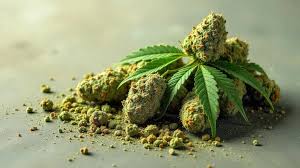
Cannabis — more commonly known as “weed” — remains illegal for recreational use in the UK, but in County Durham, it is far more than a casual nuisance. Over recent years, Durham Constabulary has uncovered large-scale grow‑ops, seized thousands of plants, made high-profile arrests, and linked cannabis production to serious organised crime, exploitation, and community risk. For local residents, the issue of weed is entangled with safety worries, property damage, and broader social harm.
This article examines the multifaceted reality of cannabis in Durham: how it’s cultivated and supplied, how the police are responding, the public safety and health implications, the role of organised crime, community perspectives, and potential paths forward.
Legal & Institutional Context
Cannabis Laws & Enforcement in Durham
- Under UK law (the Misuse of Drugs Act), cannabis is classified as a Class B controlled substance, making unlicensed production, supply, or possession illegal. (Wikipedia)
- In County Durham, Durham Constabulary is responsible for investigating and dismantling serious cannabis cultivation and supply operations.
- In recent years, the force has prioritized large-scale cannabis farms via national and regional operations, notably Operation Mille, which seeks to disrupt organised crime and drug production. (durham.police.uk)
- According to the Durham Police & Crime Commissioner’s annual report, grow‑ops are not just about drugs — many involve exploitation, stolen or tampered utilities, and links to broader crime networks. (joy4durhampcc.com)
- The Durham Police Federation, in its health-and-safety reporting, has noted the particular danger for officers entering properties with cannabis grows. (polfed.org)
Cannabis Crime in Durham: Cultivation & Raids
Major Grow‑Ops & Seizures
Operation Mille – Nearly 1,000 Plants Seized (Mar 2025)
- In March 2025, Durham Constabulary executed a week-long clampdown under Operation Mille, targeting cannabis farms across the county. (durham.police.uk)
- Officers dismantled five suspected grows in locations including Stanley, Consett, Seaham, Bishop Auckland, and Shildon. (durham.police.uk)
- These sites included a derelict bank, an empty shop, and unoccupied houses. (durham.police.uk)
- Nearly 1,000 cannabis plants were seized, and three men were arrested. (durham.police.uk)
- According to T/Detective Inspector Sarah Hindmarsh, the growers were using electricity abstraction (i.e., bypassing meters), CCTV to guard entry points, and even weapons — indicating a high level of organisation. (durham.police.uk)
- She warned that cannabis production at this scale is not benign: it is “linked to sexual exploitation, kidnap, serious violence, firearms, money laundering and illegal immigration.” (durham.police.uk)
- Police emphasized that these operations fund far more than just drug distribution — they fuel serious and organised crime. (durham.police.uk)
“More than £1 Million” Seizure at The Ranch (Dec 2024)
- In December 2024, Durham police raided a disused property known locally as The Ranch on Stockton Road, Seaham. (durham.police.uk)
- The raid uncovered around 1,600 cannabis plants, one of the largest seizures in recent local history. (durham.police.uk)
- A man was found hiding in the loft; he was arrested, charged with production of a controlled drug, and remanded. (durham.police.uk)
- The plants were destroyed following the raid. (durham.police.uk)
- Detective Constable Georgia Hansen stated that drugs like cannabis “bring misery to our communities,” reinforcing the social harm beyond the criminal act. (durham.police.uk)
Historic Case: The Ranch, Seaham (March 2025)
- In March 2025, Anastasios Loizos was jailed after admitting to running a massive cannabis farm at The Ranch. (durham.police.uk)
- During the raid, police found nearly 1,700 plants distributed across several rooms, plus the required grow‑equipment for lighting, ventilation, and cultivation. (durham.police.uk)
- Loizos, aged 47, was found hiding in the loft during the raid. (durham.police.uk)
- He was sentenced at Durham Crown Court to 16 months in prison for producing a Class B drug. (durham.police.uk)
- Detective Constable Hansen emphasized that the scale of the grow, and its location in a disused building, pose serious community risks. (durham.police.uk)
Beamish Village Grow (June 2024)
- In June 2024, Durham Constabulary uncovered a cannabis farm in Beamish Village, at a property on Station Road. (durham.police.uk)
- Officers seized around 400 plants and arrested two men (aged 30 and 44) on suspicion of cultivation. (durham.police.uk)
- A third man (23) was arrested too, and all remain under investigation / on bail as of the report’s publication. (durham.police.uk)
- Police issued a 48-hour closure notice for the property, aiming to stabilize the building and prevent reoccupation. (durham.police.uk)
Stanley Warrants – Oct 2025
- More recently, in October 2025, Durham police carried out warrants in Stanley, seizing around 400 cannabis plants in one address. (durham.police.uk)
- A 27-year-old man and a 26-year-old woman were arrested on suspicion of cultivation, and notably, child neglect was also cited in the police statement. (durham.police.uk)
- Officers also arrested a 39-year-old woman on suspicion of intention to supply Class B drugs. (durham.police.uk)
- As before, Durham Constabulary emphasized that community reports (via 101, Live Chat, or Crimestoppers) are critical in spotting these operations. (durham.police.uk)
Public Safety, Exploitation & Community Impact
Electrical Hazards, Fire Risk & Structural Damage
- Many cannabis grow‑ops in Durham rely on meter bypass / electricity abstraction, which is highly dangerous. (durham.police.uk)
- The Federation report from Durham Police highlights that officers need specific training to dismantle grows safely — they face live wiring, humidity, and sometimes poorly constructed interiors. (polfed.org)
- Long-term cultivation can cause considerable structural strain: condensation, mold, and damage to property can affect neighbouring buildings and require safety interventions after police raids.
- In several raids, once police enter, they bring in utility companies to make the building safe, cutting off illegal power, and rewiring where needed.
Exploitation & Organised Crime
- Durham police have explicitly linked some cannabis farms to organised crime networks, noting that large farms are not just about weed — they fund crime, violence, and exploitation. (durham.police.uk)
- In the Operation Mille case, police found that individuals cultivating cannabis were being “forced to sleep rough … unjust living conditions” with signs of exploitation. (durham.police.uk)
- T/Detective Inspector Hindmarsh stated that keepers had CCTV, weapons, and strict control — this suggests highly organised and possibly coercive operations. (durham.police.uk)
- These kinds of farms may also involve vulnerable individuals, including those with no fixed abode, trafficked into labor, or coerced into participation — a growing concern for both policing and safeguarding.
Community Trust & Cooperation
- For local residents, discovering cannabis farms in their area can be deeply unsettling: properties may appear abandoned, but are actually hotspots of criminal activity.
- Durham Constabulary relies heavily on community intelligence — tip-offs, suspicious power use, or odd comings and goings are often how these grow‑ops are identified. (durham.police.uk)
- The force has publicly called on citizens to report via 101, Live Chat, or anonymously through Crimestoppers (0800 555 111). (durham.police.uk)
- According to the PCC report, police visits to suspected “cuckoo addresses” (properties taken over by criminals for grow‑ops) are part of their ongoing strategy to restore community safety. (joy4durhampcc.com)
Public Health, Demand & Use
Scale of Demand & Supply in Durham
- The volume of cannabis production seized by police suggests a serious and organised supply network within County Durham.
- Beyond local consumption, some farming operations appear optimized for distribution, potentially feeding into regional drug markets.
- Grow‑ops uncovered in Durham are part of nationwide trends: Operation Mille is a national push, involving multiple forces. (durham.police.uk)
Health Risks & Vulnerabilities
- Mental health: Prolonged or heavy cannabis use has known risks, including anxiety, psychosis in vulnerable individuals, and dependency.
- Product risk: Cannabis grown illicitly may not be safe — risks include contamination, inconsistent potency, and unsafe growing environments.
- Social risk: Those involved in cultivation may be criminally exploited, coerced, and exposed to violence or unstable living conditions.
- Barriers to help: Criminalization can deter users or low-level growers from seeking medical or psychological help; fear of arrest or stigma may prevent them from accessing support.
Policing Strategy & Local Response
Disruption & Enforcement
- Operation Mille is central to the force’s strategy: coordinated raids, multi-team operations, and targeting of suspected organised crime networks. (durham.police.uk)
- Durham Constabulary works closely with crime investigators (CID), neighbourhood teams, and specialist units to track, enter, and dismantle grow sites.
- Utility companies are often brought in post-raid to remediate dangerous electrical wiring and make the properties safe. (durham.police.uk)
- Police also emphasise strong community cooperation — public intelligence is a cornerstone to locating hidden cannabis operations.
Safeguarding & Prevention
- Durham’s Police & Crime Commissioner (PCC) supports a “4‑P” model: Pursue, Prevent, Protect, and Prepare, addressing both criminal networks and the exploitation of individuals involved in grow‑ops. (joy4durhampcc.com)
- Officers refer potential victims of exploitation in cannabis farms to social services; they also collaborate with modern slavery and human trafficking networks. (joy4durhampcc.com)
- Public campaigns encourage residents to remain vigilant for signs of cannabis cultivation — such as strong odours, high heat, condensation on windows, or frequent visitors at odd hours.
- There is also a role for expanding treatment and harm‑reduction services for cannabis users, especially those involved in or affected by large-scale production.
Policy, Risks & Ethical Dimensions
- Policy Tension
- While enforcement is strong for large-scale cultivation, low-level personal grows may attract less attention. Some argue for decriminalisation or reform to redirect resources.
- Durham’s approach mirrors a broader UK debate: how to tackle crime without criminalising vulnerable users or marginal cultivators.
- Exploitation & Justice
- Many of the grow‑ops disrupted in Durham involve vulnerable individuals. Ethical policing must include safeguarding, not just prosecution.
- Reform might need to introduce labor protections or exit pathways for those coerced into cultivation.
- Public Safety
- Grow‑houses pose real danger — electrical fire risk, structural hazards, and criminal violence.
- Neighbourhoods may feel permanently unsafe if such operations are allowed to re-emerge.
- Stigma & Access to Help
- Criminalizing cannabis involvement reinforces stigma; some growers or users may avoid seeking help for fear of punishment.
- A harm-reduction approach could be more effective: treat drug involvement as a social and health issue, not just a criminal one.
Real Voices & Community Perspectives
- Some residents on Reddit claim that, in practice, cannabis use is “effectively decriminalized” in Durham because the police prioritize large farms over simple possession or small personal grows:
“In Durham weed is de‑criminalized … they will no legal action unless it’s blatantly obvious.” (Reddit)
- Others report that a Durham Cannabis Club once existed but is now dormant — indicating some local subculture around cannabis use. (Reddit)
- On social media and neighbourhood forums, there’s frustration: while big farm busts get headlines, some feel smaller local supply and usage remain largely unaddressed, or that reform is long overdue.
Future Outlook & Recommendations
Enforcement & Strategy
- Sustain and expand Operation Mille: maintain pressure on organised cultivators, especially those abusing industrial or abandoned properties.
- Engage utilities: deepen partnerships with electricity providers to detect tampering or power spikes that suggest grow‑ops.
- Boost community reporting: run awareness campaigns to help people identify signs of cultivation and report safely.
- Train officers: continue training for safe dismantling of grow‑sites, including dealing with risky electrical infrastructure.
Public Health & Harm Reduction
- Expand cannabis treatment services: mental health support, addiction counselling, and peer-led recovery.
- Develop prevention initiatives: schools, community centers, and drug partnerships can teach about cannabis risk, especially high-potency black‑market product.
- Introduce safeguarding pathways: for people exploited or coerced into cultivation, provide legal, social, and financial support to leave the trade.
Policy Reform Considerations
- Explore decriminalisation of small-scale personal cultivation: reduce stigma, minimize criminal justice burden, and shift resources to tackling organised crime.
- Consider regulated markets (if feasible): licensing, labor protections, and quality controls could reduce black‑market profit.
- Ensure equity in reform: protect those currently exploited in cultivations; ensure they have access to legal and social support during any transition.
Conclusion
Cannabis (“weed”) in Durham is not a peripheral issue — it is deeply embedded in serious crime, exploitation, and community risk. From farms with hundreds or even thousands of plants, to power‑hooking, to prisoners hiding in lofts, the scale and sophistication of cannabis production demand robust policing.
Durham Constabulary’s recent raids — especially under Operation Mille — demonstrate a strong commitment to disrupting these networks. But enforcement alone is not enough. For real progress, Durham needs a holistic response: public health support, community engagement, and possibly policy reform.
Addressing cannabis in Durham means not only removing illicit plants but also protecting vulnerable people, managing risk, and exploring more humane, sustainable approaches. In the balance of crime, health, and social policy, Durham faces difficult but vital choices — and the path forward will require both strength and compassion.
Leave a Reply