
Weed in Paris: Laws, Culture, Risks & Realities
Introduction
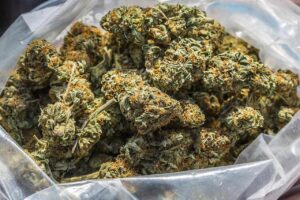
Paris. The City of Light, the capital of romance, art, and culture. But behind its cafés, grand boulevards, and historic landmarks lies a more shadowy side — especially when it comes to cannabis. For both locals and tourists, navigating the realities of weed in Paris can be confusing. Is it legal? Is it widely used? What are the risks? In this article, we explore the legal framework, social attitudes, underground markets, and everything in between.
1. Legal Status of Cannabis in Paris and France
1.1 Recreational Use: Still Illegal
In France — including Paris — cannabis containing THC (the psychoactive component) remains illegal for recreational use. (LegalClarity) The Public Health Code treats cannabis as a narcotic, and possession, use, sale, cultivation, and trafficking are all prohibited under current law. (LegalClarity)
In 2020, the French government introduced a system of on-the-spot fines (amende forfaitaire délictuelle) for minor possession and use. Rather than arresting users for small amounts, police can issue a €200 fine; if the person pays within 15 days, it is reduced to €150, but if delayed beyond 45 days it can rise to €450. (Juicy Vapes) Despite this fine-based system, it’s important to note that decriminalization does not equal legalization — cannabis remains illegal in principle. (celticvapours.com)
For more serious offenses — such as trafficking, large-scale possession, or cultivation — penalties can be very harsh. According to French law, trafficking cannabis can result in up to 10 years in prison and fines up to €7.5 million. (Juicy Vapes) Cultivation is similarly treated as a serious crime. (LegalClarity)
1.2 Medical Cannabis: Limited, With Conditions
France has allowed medical cannabis, but access is extremely restricted. (CannaInsider) Since 2021, there has been a pilot program run by French authorities. However, only certain patients qualify — typically those with severe conditions like drug-resistant epilepsy, certain types of cancer pain, palliative care needs, or spasticity linked to multiple sclerosis. (CannaInsider) The forms allowed are limited: oils, capsules, and vaporized dried flowers (not smoking). (LegalClarity)
As of recent reports, the experiment is continuing through a transition period (extended to March 31, 2026). (CannaInsider) Note that tourists generally cannot access this medical program: to enroll, one typically needs to go through a French medical institution and meet strict criteria. (CannaInsider)
1.3 CBD Products: A Legal Gray Zone
Cannabidiol (CBD) products are more accepted. Products with very low THC (typically under 0.2–0.3%) can be legally sold in France. (CannaInsider) This includes oils, edibles, cosmetics, and even flowers, under certain regulatory conditions. (CannaInsider) But even with CBD, caution is needed: smoking or vaping CBD flower may still be risky, as enforcement can treat it similarly to THC cannabis, especially in public. (CannaInsider)
2. Enforcement, Penalties & Practical Risks
2.1 On-the-Spot Fines & Policing
Enforcement in Paris is active. Police are authorized to stop, search, and fine individuals found in possession or using cannabis in public. (celticvapours.com) The standard fine for simple cannabis use or small possession is €200 “on the spot” under the 2020 reform. (Juicy Vapes) That said, payment behaviors matter: timely payment reduces the fine, but delays increase it. (All About Lawyer)
If someone refuses to pay, or if there’s suspicion of trafficking, more serious legal processes can be triggered. (celticvapours.com) There are anecdotal reports (and consistent with the law) that even small amounts, if suspected to be linked to supply, may lead to criminal prosecution. (celticvapours.com)
2.2 Larger Offenses: Trafficking, Cultivation & Sale
As mentioned, trafficking is a major crime with steep penalties. Selling or facilitating the distribution of cannabis is treated very seriously under French law. (LegalClarity) Cultivation, even for personal use, is also risky: if law enforcement deems there is an “intent to supply,” penalties increase significantly. (Juicy Vapes)
2.3 Risks for Tourists
Tourists are not exempt. Being caught with cannabis — even a small amount — can lead to fines, confiscation, or even criminal charges depending on the situation. (All About Lawyer) A criminal record or conviction could have implications for future travel, visas, or legal standing. (All About Lawyer) Importantly, bringing cannabis into France (or exporting it) is illegal. (CannaInsider)
3. The Underground Cannabis Scene in Paris
Even though recreational cannabis is illegal, the underground market in Paris is real and active. Understanding how it operates can give insight into the risks, costs, and cultural dynamics of cannabis in the city.
3.1 How People Acquire Cannabis
- Street Dealers: Cannabis is often sold on the street. However, buying from street dealers carries risk — not just legal, but also of poor quality or scams. (CannaInsider)
- Social Networks: Many users report getting weed through friends or discreet social contacts. (Bud Travels)
- Delivery via Messaging Apps: Some users rely on encrypted messaging platforms (like Telegram) to connect with trusted sellers. (Bud Travels)
- CBD Shops: While THC-rich cannabis is illegal, CBD shops are widespread in Paris. These shops offer legal CBD products (with minimal THC) in oils, flowers, edibles, and more. (weedtravelersguide.com)
3.2 Prices & Quality
According to local guides, the typical street price for cannabis flower in Paris ranges from €10 to €15 per gram for lower-quality weed, while more premium or “imported” strains can go up to €20–€30 per gram. (cannatravelguide.com) Hashish is also very common; prices often range from €8 to €15 per gram, depending on quality and origin. (Bud Travels)
Quality is highly variable. Some users report that street-sold weed is lower-grade, while others claim to access better quality via trusted contacts. (cannatravelguide.com) Tourists, in particular, run a high risk of being scammed, sometimes paying a premium for substandard product. (Reddit)
3.3 Safety Considerations
Buying cannabis on the black market comes with many inherent dangers:
- Legal Risk: As discussed, any interaction with THC cannabis carries potential fines or worse.
- Scams: As noted by users, tourist buyers are particularly vulnerable:
“We were looking for some weed … another said 50 € is like 1 g in Paris … we got barely 1 g of nasty seedy weed.” (Reddit)
- Quality Risk: No labelling, no testing; what you buy might be impure, laced, or simply not what you expected.
- Police Risk: Certain neighborhoods are heavily policed. Plain-clothes officers, patrols, and random checks all contribute to risk. (celticvapours.com)
- Social Risk: Getting mixed into shady networks can lead to dangerous situations, especially for foreigners unfamiliar with local dynamics.
4. Culture, Advocacy & History
4.1 Social Attitudes Toward Cannabis in Paris
Cannabis use is relatively common, especially among younger Parisians, creative communities, and some subcultures. (CannaInsider) Despite its illegality, social normalization has grown, though significant stigma remains in parts of French society. (weedtravelersguide.com)
While weed remains taboo in formal political discourse for some, grassroots activism is strong. One notable organization is Cannabis Sans Frontières, headquartered in Paris, which campaigns for progressive drug policy reform, human rights, and harm reduction. (Wikipedia)
4.2 The Historic “Appel du 18 Joint”
One of the most symbolic moments in France’s cannabis political history is the “Appel du 18 Joint” (Call of the 18th Joint) — first published on June 18, 1976, in Libération. (Wikipedia) This manifesto has evolved into an annual gathering every June 18 in Paris, advocating for legalization and raising public awareness. (Wikipedia) The 18 Joint has become a cultural ritual, blending activism, community, and sometimes festive protest.
4.3 Future Prospects & Reform
There is growing public discussion in France about drug policy reform. Some political voices and civil society groups support legalizing or regulating cannabis, especially given the high cost of enforcement and the social toll of prohibition. (The Guardian) Reports suggest that legalization could bring tax revenue, reduce crime, and redirect resources toward more effective public health strategies. (The Guardian)
Some progress is also evident in the medical cannabis realm. Although the current pilot program is limited, there are ongoing efforts to formalize and expand access. (Reddit) The recent notification of regulatory proposals to the European Commission signals possible steps toward a more structured, legal medical cannabis framework. (Reddit)
5. Practical Advice: For Locals and Tourists
If you’re in Paris (or planning a trip) and thinking about weed, here are some practical tips — but note: this is informative, not legal advice.
5.1 For Tourists
- Avoid THC cannabis: Because it’s illegal, carrying or using it is risky.
- Steer clear of street dealers, especially in tourist areas like near the Eiffel Tower — there’s a high likelihood of scams. (Reddit)
- Don’t bring cannabis into France: Customs can and will confiscate it, and you may face charges. (CannaInsider)
- Be discreet: Public consumption, especially smoking, draws attention and risk.
- Consider CBD: If you’re interested in cannabis for wellness rather than psychotropic effects, CBD (with <0.3% THC) is the safer, legal alternative. (cbdinsiderguide.com)
- Hotel & Airbnb: Smoking weed in a hotel or rental may breach the property’s rules, even if it’s privately rented.
5.2 For Residents & Advocates
- Know your rights: Be aware of legal risk, especially concerning possession, sale, or supply.
- Advocacy: Join groups like Cannabis Sans Frontières to push for drug policy reform. (Wikipedia)
- Harm reduction: Educate yourself about safer consumption, testing, and storage.
- Stay updated: Drug policy in France is an evolving landscape; new changes may come, especially around medical cannabis.
6. Risks & Ethical Dimensions
6.1 Police & Legal Risk
The risk of police intervention is real. In Paris, law enforcement is active, especially in neighborhoods popular with tourists, nightlife, and social gatherings. (celticvapours.com) Confiscation, fines, and even legal proceedings are possible, particularly for repeat offenses or suspected trafficking.
6.2 Quality & Health Risk
Underground cannabis has no standardized quality. Without labs, buyers risk encountering adulterated or contaminated product. Also, potency is unpredictable. These risks make black-market cannabis far from safe.
6.3 Social Justice & Equity
Criminalization disproportionately affects marginalized communities. There is a strong argument (from advocates) that reforming cannabis laws would help reduce inequality, redirect policing resources, and focus on public health rather than punishment.
6.4 Tourism Ethics
Cannabis tourism is controversial. Encouraging or normalizing illegal purchases from street dealers can fuel criminal networks, exploitation, and violence. From an ethical standpoint, visitors should consider the societal impact of participating in the black market.
7. Cultural Snapshots: Cannabis & Parisian Life
- Neighborhood Vibes: Cannabis culture in Paris often overlaps with bohemian, artistic, and youthful communities. Areas like Le Marais, Canal Saint-Martin, and parts of Belleville may have a more relaxed attitude, though legality remains. (Bud Travels)
- Events & Gatherings: The annual 18 Joint gathering is not just political — it’s a cultural moment. (Wikipedia)
- Activist Legacy: Groups like Cannabis Sans Frontières have shaped public discourse and continue to push for reform. (Wikipedia)
- Underground Aesthetic: For many, cannabis in Paris is part of a hidden, underground tapestry — shared in private apartments, via close friends, or discreet delivery lines. (Bud Travels)
8. What the Future Might Hold
- Policy Reform: Given shifting public opinion and financial pressures, there is a growing case for reform. Legalization could generate tax revenue, reduce enforcement costs, and undermine illegal markets. (The Guardian)
- Expanded Medical Access: If regulatory reforms go through, more patients may gain access to legal medical cannabis. The current pilot program’s extension and proposal notifications to the EU may indicate momentum. (Reddit)
- Harm Reduction Focus: Rather than only criminalizing users, France could shift toward a more health-oriented approach — funding education, safe consumption, and social services.
Conclusion
Weed in Paris occupies a complex space: it’s illegal, but not invisible; culturally entwined, but legally marginalized; desired by many, but regulated by some. Whether you’re a traveler curious about the underground scene, a local quietly navigating the grey zones, or an advocate for reform, understanding this complexity is key.
The risks are real — from fines, legal trouble, or dangerous transactions. But so are the possibilities: for reform, for community, and for more just and sensible cannabis policies.
If you’re visiting Paris, the wisest choice is discretion, respect for local laws, and a strong dose of common sense. And for those pushing change, the story of cannabis in Paris is far from over.
Leave a Reply